Oxalates - Separating Fact from Fiction

Introduction
Oxalates have gained attention in recent years, often for the wrong reasons. They are sometimes portrayed as ‘anti-nutrients’, yet many foods that contain oxalates are among the most nutritious foods we can eat. Understanding what oxalates are, how they behave in the body, and why some people are more sensitive to them allows us to take a balanced, science-led view.
What are oxalates?
Oxalates (and oxalic acid) are naturally occurring compounds found in many plant foods and are also produced by the body in small amounts as part of our normal metabolism. They’re best known for their ability to bind to minerals such as calcium, forming compounds that are either excreted but, in some cases, may contribute to conditions like kidney stones.
Oxalates support the health of the plant and are also part of its’ natural defence mechanism. In humans, oxalates can slightly reduce the amount of minerals we can absorb from the same meal. For most people, they’re not problematic as they pass through the gut and leave the body via the stool.
Which foods are they found in?
Oxalates appear across many categories of plant foods, most of which are incredibly nutritious.
Here is a list of some foods that naturally contain oxalates:
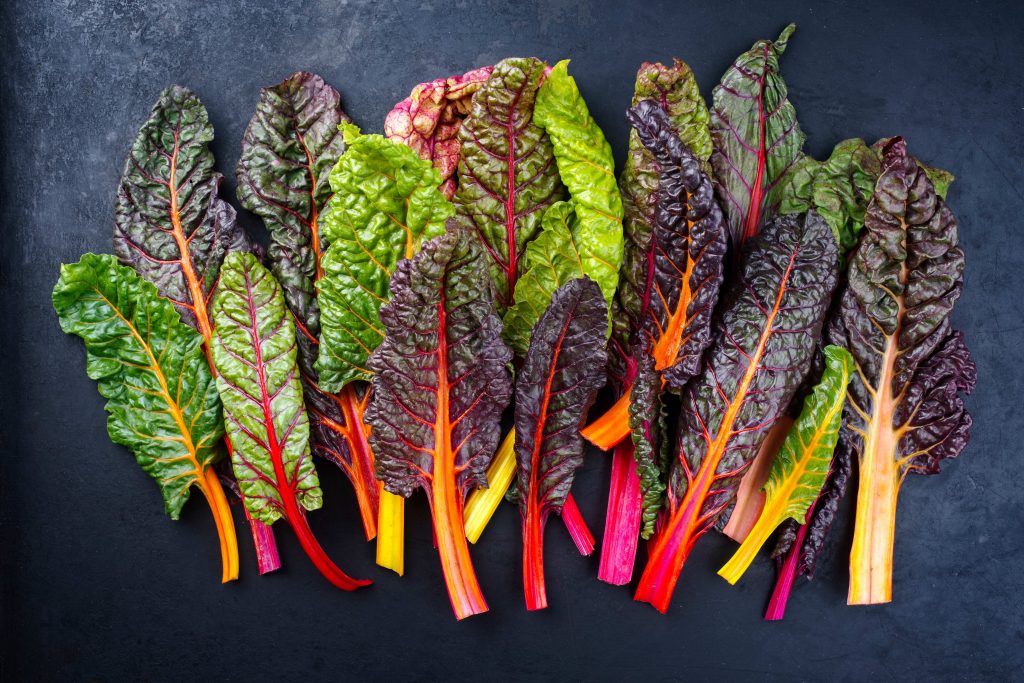
Vegetables: spinach, beetroot and beet leaves, Swiss chard, sweet potato
Fruits: rhubarb, berries, such as raspberries and blackberries
Nuts and seeds: almonds, cashews, peanuts, pine nuts, sesame seeds
(tahini)
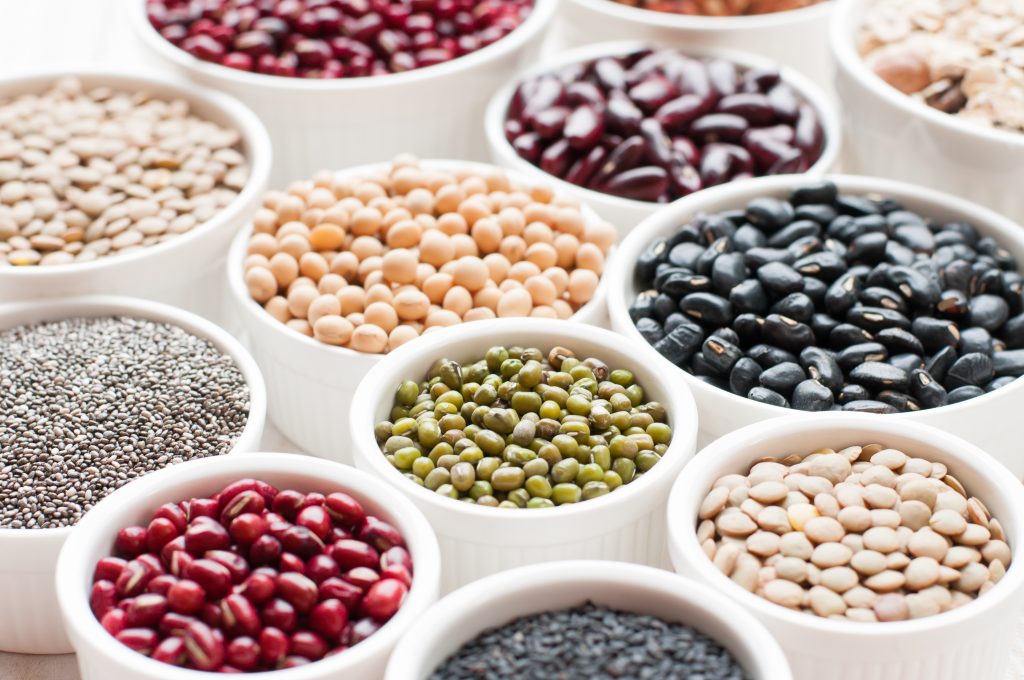
Legumes: e.g. kidney beans, black beans, soybeans and tofu
Grains: some whole grains contain moderate amounts, such as buckwheat, quinoa
Other: cacao and dark chocolate, black tea
As you can see, all these foods are super nutritious so avoiding them in the diet would mean losing out on fibre, polyphenols, vitamins, minerals and antioxidants.
Why plants need oxalates
Plants use oxalates for several vital jobs and are part of a plant’s natural biology and survival toolkit.
- Calcium regulation and storage: Plants need calcium, but too much can disrupt cell signalling. Oxalates bind calcium and store it safely as calcium oxalate crystals. This helps maintain stable calcium levels during stress such as drought or rapid growth.
- Defence: Oxalate crystals deter insects and also grazing animals. This is because the oxalate crystals can be sharp, and irritating making the plants less palatable.
- Detoxification: Plants absorb minerals from the soil. Oxalates bind to excess minerals and heavy metals in the soil that could otherwise be harmful to the plants cells.
- Stress Response: Oxalates are not incidental compounds but active participants in the plants’ natural stress responses, helping the plant cope with mineral overload, poor soils and environmental strain.
What happens when we consume oxalates?
When we consume oxalates they can react with minerals in our food, such as calcium, but also to other minerals like magnesium, zinc, manganese and iron.
It is natural for oxalates to want to bind with minerals. So when we eat food with oxalates, they can combine with some minerals, especially calcium. When oxalates bind to minerals in the gut, they form a new compound – for example calcium oxalate. These are inert particles that stay suspended in the food as it passes through the gut.
This new compound, calcium oxalate is insoluble and poorly absorbed. This binding reduces oxalate absorption into the bloodstream and is the simplest and most efficient way for the body to excrete oxalates. Calcium oxalate travels through the gut and leaves the body in the stool.
Oxalates use what’s in the meal - not your body’s stores
A common misconception is that oxalates can ‘leach’ calcium and other minerals from the body, but this simply isn’t true. Oxalates can only interact with minerals that are present in the digestive tract at the time of eating; they have no ability to draw minerals from bones, teeth or other tissues. Rather than acting as nutrient thieves, they are reactive compounds that bind to the minerals contained within the same meal and nowhere else.
Oxalates only bind to ‘some’ of the minerals at the same meal. It is very normal in nature that when we combine certain foods we see a slight reduction in absorption. This can also be seen in the case of plant compounds called phytates, found in wholegrains, legumes, nuts and seeds, or tannins, naturally present in black tea.
In the case of oxalates, this is exactly what we want them to do. Bound oxalates pass through the gut without causing issues, and it is generally only the unbound oxalates that are linked to health issues.
Can oxalates be destroyed by cooking?
Yes! Boiling or blanching high-oxalate vegetables can significantly reduce their oxalate content because oxalates are water soluble and leach into the water during cooking. Steaming reduces them slightly as less water is involved.
Other cooking methods such as roasting or frying don’t have the same effect as oxalates as it is not the heat that destroys the oxalates, but rather their ability to dissolve into the cooking water, so when you boil spinach, Swiss chard or other high-oxalate vegetables, a significant portion leaches out into the cooking water. If you discard the water, you reduce the oxalate content of the food.
This is why cooked spinach is gentler on the digestive system than raw spinach and why many traditional cuisines pair oxalate-heavy foods with cooking methods that naturally lower them.
Fermentation: oxalates may also be reduced during the fermentation of higher oxalate foods such as beetroot.
Gut Microbiome: Certain bacteria, naturally present in the gut, support the body by helping to break down some of the unbound oxalates. Species include Oxalobacter formigenes, as well as certain strains of Lactobacillus and Bifidobacterium. This is another reason why having a healthy and balanced microbiome is so important
What is oxalate sensitivity?
Some people are sensitive to oxalates in their diet. Symptoms can include increased risk of kidney stones, but also joint pain and musculoskeletal symptoms as well as some neurological symptoms.
Oxalate sensitivity isn’t just about oxalates, but is often linked to other problems such as our overall gut health, our bile function, our microbiome and even our daily calcium intake.
How are oxalates absorbed into the bloodstream?
Most dietary oxalates should remain in the gut and exit the body without any issues. In some cases, oxalates have not been able to bind to calcium or other minerals which allows them to be absorbed into the bloodstream. It is these unbound oxalates that can lead to certain health issues. Unbound oxalates have the ability to cross the gut epithelium and can pass into the bloodstream.
The kidneys usually excrete oxalates before they become problematic and in the vast majority of people, oxalates stays dissolved and are flushed out harmlessly in the urine. Small crystals may form, but mostly do not cause issues.
However when oxalate levels are elevated, fluid or citrate levels are low, or in certain metabolic conditions, the calcium oxalate crystals can be retained and can slowly form into calcium oxalate stones, also known as kidney stones.
Around 75% of all kidney stones are calcium oxalate stones and while high foods may contribute to kidney stones in some people, it is important to note that this is not the only reason why kidney stones may form. It is often the combination of a number of factors which create the perfect conditions for kidney stones to form.
If the kidneys cannot clear oxalate efficiently, blood oxalate levels may rise and in some cases can diffuse into the tissues, such as joints or muscles. Here they can bind to calcium forming calcium oxalate crystals. This however is rare, especially in those with normal kidney function, but can occur in sensitive individuals. So most people don’t need to worry about this.
What factors can affect our ability to excrete oxalates and which conditions might affect our ability to process oxalates effectively?
Higher levels of ‘free’ oxalates can occur naturally and also be exacerbated by other compounding factors, these might include:
- Low bile flow/ gallbladder removal
- Poor fat digestion
- Gut inflammation or increased gut permeability
- Low levels of oxalate-degrading bacteria
- Low intake of dietary calcium
- High dose vitamin C (>1000mg daily) may lead to increased oxalates in the urine
- Poor microbiome health
- Small intestinal bacterial overgrowth (SIBO)
- Low digestive enzymes (especially lipase)
- SIBO or dysbiosis
- Coeliac disease or IBD
- Recent antibiotic use
- Rare genetic conditions, such as Primary Hyperoxaluria
How much do they affect our calcium and iron absorption?
Oxalates can reduce the absorption of calcium and, to a lesser degree, iron but ONLY from the meal they’re eaten with. This doesn’t affect our body’s calcium stores and cannot directly weaken our bones; it just slightly reduces how much calcium you take in from your meal.
Their effect on iron is milder still. Oxalates can attach to plant-based iron, but they’re nowhere near as influential as other factors like phytates or tea tannins. Pairing plant based iron sources with vitamin-C rich foods easily supports better iron absorption.
Oxalates simply influence how much calcium or iron you absorb at that moment and for most people, this is just a natural process and should not lead to deficiencies, providing we are consuming a balanced diet.
Why we should eat calcium-rich foods alongside oxalates?
The key message in the oxalate conversation is that calcium actually protects us from absorbing oxalates. Rather than focusing on them binding to calcium, we have to bear in mind that we want the oxalates to bind to calcium so that they can be safely excreted.
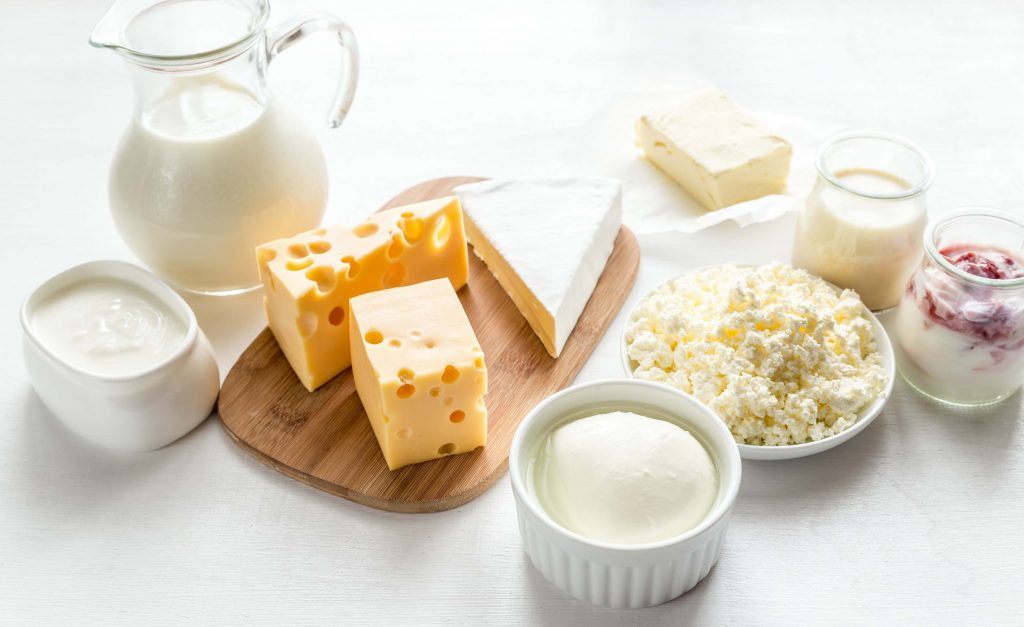
People who consume low-calcium diets are at greater risk of absorbing more oxalates, because there isn’t enough calcium in the gut to bind it. More care may need to be taken on a plant-based diet that excludes dairy or where an allergy to dairy is present. It is still possible to obtain all the calcium we need from a plant-based or dairy-free diet, but we need to ensure that higher calcium foods are being consumed, such as calcium set tofu, sesame seeds, tahini and checking that plant milks are fortified with calcium.
Pairing higher calcium foods with higher oxalate foods can be very beneficial
Smart pairings include:
- Adding a yogurt-based salad dressing to your raw salads (especially if they contain spinach, beetroot or other leafy greens)
- Adding some grated Parmesan over your vegetables
- Adding feta cheese to your roasted beetroot salad
- Including calcium set tofu (check the label) to your curries and stir-fries
- Add some tahini or sesame seeds to your cooked greens
- Enjoy your sardines with bones when added to your salads
- Use whole milk or enriched plant milks in your hot cacao
- Dip your dark chocolate into tahini or nut butter
- Enjoy yogurt with blackberries or rhubarb
- Grate some cheese onto your beans
- If you add raw spinach to your juices – add in some yogurt or kefir too.
The importance of bile
Bile flow is very important when it comes to oxalates. Bile is a digestive fluid made by the liver and stored in the gallbladder. Its main job is to help us break down and absorb fats from our food so when we eat a meal containing fat, the gallbladder releases bile into the small intestine, where it emulsifies the fats, essentially breaking them into tiny droplets so digestive enzymes can begin their work.
When bile flow is strong and fat digestion is efficient, calcium in the gut remains available to bind to oxalates. But when bile flow is sluggish, or fat goes undigested, the fat is free and is also able to bind to calcium. This leaves less calcium available to attach to oxalates. This may increase the likelihood that oxalates will be absorbed rather than excreted.
While bile is known for its role in fat digestion, it also indirectly protects us from absorbing excess oxalates. Good bile flow keeps calcium free, oxalates bound, and digestion running smoothly.
This is why having good levels of pancreatic enzymes, especially lipase which helps us to digest fats efficiently is also important for our overall fat digestion, especially in conjunction with good bile flow.
How other gut conditions can affect the way oxalates are metabolised
Small intestinal bacterial overgrowth – SIBO. This condition can affect the way our bile acids work in the small intestine, making them less efficient and can lead to undigested fats binding to calcium in the gut and reducing binding availability for oxalates.
Coeliac disease. This is more of an issue in uncontrolled or undiagnosed coeliac disease rather than well treated and managed. A combination of poor fat breakdown and absorption as well as chronic inflammation in the gut (villi) can lead to an increase in absorption of oxalates.
Inflammatory bowel disease. A faster digestion that does not allow for full digestion of fats or where chronic inflammation is present may also lead to increased absorption of oxalates.
BAM – bile acid malabsorption can affect the way our bile acids emulsify fats in the gut which can lead to higher levels of unbound oxalates in the gut.
Poor microbiome health. A lack of key bacteria that help to reduce free oxalates in the gut can result in a poorer metabolism and higher levels of unbound oxalates in the gut leading to increased levels of absorption.
Bottom Line
For the vast majority of people, oxalates are just a natural part of the plants physiology and do not pose a risk to health. It is normal that foods bind to minerals in the gut, but in a normal, healthy diet, this is unlikely to cause any issues. Therefore, we should not be concerned about consuming them in our food.
Alongside certain medical conditions or low calcium diets, oxalates can be more problematic for some people, but again, these are usually limited to small groups of people.
Most people should therefore not fear or worry about oxalates in their food and should continue eating food normally, perhaps making sure that calcium intake is optimised in the diet.
For those who are sensitive, I hope this handout has been helpful.
References:
Bargagli, M., Gelormini, M., Stasi, E., Morini, E. & Gambaro, G. (2020) ‘Dietary oxalate intake and kidney outcomes’, Nutrients, 12(9), 2673. Available at: https://doi.org/10.3390/nu12092673
Chai, W. & Liebman, M. (2005) ‘Effect of different cooking methods on vegetable oxalate content’, Journal of Agricultural and Food Chemistry, 53(8), pp. 3027–3033. Available at: https://doi.org/10.1021/jf048128d
Ferraro, P.M., Curhan, G.C., Gambaro, G. & Taylor, E.N. (2016) ‘Total, dietary, and supplemental vitamin C intake and risk of incident kidney stones’, American Journal of Kidney Diseases, 67(3), pp. 400–407. Available at: https://doi.org/10.1053/j.ajkd.2015.09.005
Ghanati, K., Oskoei, V., Rezvani Ghalhari, M., Mirzaei, G. & Sadighara, P. (2024) ‘Oxalate in plants: amount and methods to reduce exposure – a systematic review’, Toxin Reviews, pp. 1–12. Available at: https://doi.org/10.1080/15569543.2024.2344493
Holmes, R.P. & Assimos, D.G. (2004) ‘The impact of dietary oxalate on kidney stone formation’, Urological Research, 32(5), pp. 311–316. Available at: https://doi.org/10.1007/s00240-004-0437-3
Huynh, N.K., Nguyen, D.H.M. & Nguyen, H.V.H. (2022) ‘Effects of processing on oxalate contents in plant foods: a review’, Journal of Food Composition and Analysis, 112, 104685. Available at: https://doi.org/10.1016/j.jfca.2022.104685
Kim, H.-N. et al. (2022) ‘Gut microbiota and the prevalence and incidence of renal stones’, Scientific Reports, 12, 3732. Available at: https://doi.org/10.1038/s41598-022-07796-y
Li, P., Liu, C., Luo, Y., Shi, H., Li, Q., PinChu, C., Li, X. & Yang, J. (2022) ‘Oxalate in plants: metabolism, function, regulation, and application’, Journal of Agricultural and Food Chemistry, 70(51), pp. 16037–16049. Available at: https://doi.org/10.1021/acs.jafc.2c04787
Massey, L.K. (2007) ‘Food oxalate: factors affecting measurement, biological variation, and bioavailability’, Journal of the American Dietetic Association, 107(7), pp. 1191–1194. Available at: https://doi.org/10.1016/j.jada.2007.04.007
Mitchell, T. et al. (2019) ‘Dietary oxalate and kidney stone formation’, American Journal of Physiology – Renal Physiology, 316(3), pp. F409–F413. Available at: https://doi.org/10.1152/ajprenal.00373.2018
Stanford, J., Charlton, K., Stefoska-Needham, A. & Ibrahim, R. (2020) ‘The gut microbiota profile of adults with kidney disease and kidney stones: a systematic review’, BMC Nephrology, 21, 215. Available at: https://doi.org/10.1186/s12882-020-01805-w
Zayed, A., Aiello, G., O’Brien, N. & Lukito, M. (2025) ‘Management strategies for the anti-nutrient oxalic acid in foods’, Food and Bioprocess Technology. Available at: https://doi.org/10.1007/s11947-024-03726-0
Disclaimer:
Features published by Dominique Ludwig are not intended to treat, diagnose, cure or prevent any disease. Always seek the advice of your GP or another qualified healthcare provider for any questions you have regarding a medical condition, and before undertaking any diet, exercise or other health-related programme. Please refer to our Terms and Conditions and Medical Disclaimer for more information as well as our Website Terms and Conditions.
Written by Dominique Ludwig and supported by Lyndsey Mayhew