Histamine Intolerance
Introduction
Histamine is a naturally occurring compound produced by the body that plays several important roles in everyday health. It is most commonly associated with allergic reactions. Histamine is stored in, and well as released from mast cells. Mast cells are immune cells that are found in many tissues including the skin, lungs, and mucous membranes. When this happens it can cause familiar allergy symptoms such as itching, swelling, flushing and a runny nose.
Histamine is also essential for several key systems in the body: In the digestive system, histamine helps stimulate the production of stomach acid, which is necessary for breaking down food and absorbing certain nutrients. In the brain, histamine acts as a neurotransmitter and contributes to processes such as wakefulness, appetite regulation and attention. Histamine also plays an important role in immune defence by helping increase blood flow and allowing immune cells to reach areas of infection or injury.
The body normally keeps histamine levels under control. It produces histamine when needed and breaks down excess amounts using specialised enzymes. Two of the most important enzymes involved in histamine metabolism are diamine oxidase (DAO), which breaks down histamine in the digestive tract, and histamine N-methyltransferase (HNMT), which breaks down histamine within body tissues.
Histamine is also present in many foods, especially foods that are aged, fermented, ripened, or stored for long periods – which we will come to later.
For most people this does not cause a problem because the body is able to break histamine down efficiently. Difficulties arise when our histamine levels exceed the body’s ability to break it down and excrete it.
What is histamine intolerance?
Histamine intolerance is not a food allergy. It occurs when there is an imbalance between the amount of histamine in the body and the body’s ability to break it down effectively. This can be caused by the body making too much histamine and can also be influenced by the foods we eat that can contain histamine.
In normal circumstances, histamine levels are tightly regulated within the body. However, if we are exposed to excessive amounts, produce too much, or if one of the breakdown pathways is impaired, symptoms can begin to emerge. These pathways, located primarily in the gut and within our tissues, act to degrade histamine and keep levels within a safe and beneficial range.
Symptoms of histamine intolerance
Symptoms are often cumulative, meaning they are more likely to occur when histamine exposure builds up over time rather than after consuming a single food – although some individuals may experience symptoms more rapidly than others, depending on their individual sensitivity and capacity to break histamine down.
Histamine receptors are present throughout the body, which means symptoms can affect multiple systems at the same time. This wide range of possible symptoms is one reason histamine intolerance can be difficult to recognise.
Understanding these receptors helps explain why histamine can affect everything from skin reactions and digestion to sleep, mood and inflammation. It also gives us a clearer framework for making sense of symptoms, rather than viewing them in isolation.
H1 receptors
These are found in the skin, respiratory tract, blood vessels and parts of the brain. They are involved in typical allergy type symptoms such as itching, hives, nasal congestion and bronchoconstriction. They also play a role in wakefulness in the brain.
H2 receptors
These are primarily located in the stomach, where they stimulate the release of gastric acid. They are also present in the heart and blood vessels, where they can influence heart rate and vascular tone.
H3 receptors
These are found mainly in the central nervous system. They are involved in sleep, appetite, cognition and alertness.
H4 receptors
These are located largely in immune cells in the bone marrow. They are involved in immune signalling and inflammation.
Common symptoms are therefore broad and may include any of the following:
- Gastrointestinal: bloating, abdominal discomfort, diarrhoea or constipation, nausea
- Skin: hives, rashes, eczema, itching, flushing
- Respiratory: blocked or runny nose, coughing, asthma-like symptoms, difficulty breathing
- Head and neurological: headaches, migraines, dizziness
- Cardiovascular: low blood pressure, palpitations (not specific to histamine intolerance)
- General: sleep disturbances and fatigue, motion sickness
Symptoms can fluctuate and may be influenced by diet, stress levels, hormonal changes, gut health, medications and overall histamine load.
How do we break down histamine?
There are 2 key enzymes DAO and HNMT. DAO is mostly found in the gut, which is why gut health has such a strong impact on histamine tolerance. In the gut its main job is to break down dietary histamine from our food. It is also present in smaller amounts in the kidneys, and also in the placenta during pregnancy.
Decreased DAO (Diamine oxidase) activity
One of the main contributors to histamine intolerance is the reduced activity of DAO. This enzyme is produced by cells lining the small intestine and plays a key role in breaking down histamine before it is absorbed into the bloodstream. If DAO is low, histamine can be absorbed before it is cleared. DAO works mostly in the gut and helps to clear histamine from our foods.
Low DAO activity is more commonly linked to gut related symptoms, but as histamine can be absorbed into the blood stream via the gut it can also be more far-reaching.
Decreased HNMT (Histamine-N-Methyltransferase) activity
HNMT breaks down histamine inside our cells and tissues, especially brain, skin, kidneys and lungs, but is also present in small amounts in the gut lining. HNMT breaks down more of the internally produced histamine HNMT into a less active compound called N-methylhistamine.
Decreased HNMT activity is more linked to symptoms such as headache, hives and itchy skin, rashes, runny nose, irritability or neurological symptoms.
When HNMT activity is reduced, histamine can accumulate in tissues and contribute to symptoms such as headaches, anxiety, sleep disturbance, skin flushing and nasal congestion.
Gut health disruption
Reduced DAO activity is often linked to gut inflammation or digestive conditions. Because DAO is produced in the intestinal lining, damage or irritation to this tissue can reduce its production. Conditions that may affect DAO activity include irritable bowel syndrome (IBS), coeliac disease, inflammatory bowel disease (IBD) and small intestinal bacterial overgrowth (SIBO). This disruption can interfere with our ability to make sufficient DAO in the gut lining.
Imbalanced gut bacteria
Gut bacteria can also influence histamine levels. Some bacteria are thought to produce histamine, while others help break it down. When the balance of gut microbes becomes disrupted, histamine levels in the digestive tract may increase.
Other factors that may reduce histamine breakdown include alcohol, certain medications, nutrient deficiencies and hormonal fluctuations. Due to the small quantities produced, this is not thought to be a primary driver, but rather a contributing factor that may amplify symptoms when histamine breakdown or regulation is already compromised.
Stress
Stress activates the nervous and immune system. This can trigger a key hormone called corticotropin releasing hormone CRH which in turn can stimulate mast cells to release stored histamine in a process called degranulation.
Stress may also indirectly affect the gut, affecting the way we produce DAO and the way we break down histamine.
Genetic variants (SNPS) affecting DAO and HNMT
While we share genetics with other humans, there are small variations to how our genetics are coded and means that different people can respond differently to histamine. These genetic differences do not cause histamine intolerance and many people with these variations experience no problems at all, but they may lower the threshold at which symptoms occur, especially when combined with other factors such as gut inflammation and diet.
A gene known as AOC1 gene provides the body with the necessary instructions to produce the enzyme DAO. Genetic variants in this gene may reduce the amount of DAO produced or affect how efficiently the enzyme functions.
The HNMT gene instructs our body to produce the enzyme histamine-N-methyltransferase. Variations to this gene might influence how easy the body finds it to produce adequate HNMT enzymes.
Genetics alone does not determine whether symptoms will occur. Diet, stress, gut health and lifestyle factors also influence histamine metabolism. For this reason, histamine intolerance is often considered a threshold condition in which symptoms appear when multiple contributing factors combine.
Oestrogen and histamine intolerance
Histamine intolerance can become more apparent at certain times of the month when oestrogen is higher or where oestrogen is fluctuating, such as during perimenopause and menopause. This is because oestrogen is thought to increase the release of histamine from immune cells called mast cells. When this occurs we may be more sensitive to the effects of our diet which can have a cumulative effect. Again this is unlikely to be a primary driver but can exacerbate existing symptoms.
Because this histamine is released within the tissues, we are more dependent on HNMT for its breakdown, rather than the DAO enzyme, which primarily acts in the gut.
Inflammation
Low grade chronic inflammation may contribute to elevated histamine levels by creating an environment that promotes ongoing immune activation. Mast cells, which sit within our tissues, are thought to release more histamine in response to inflammatory mediators such as cytokines, potentially amplifying symptoms over time.
Food and Histamine
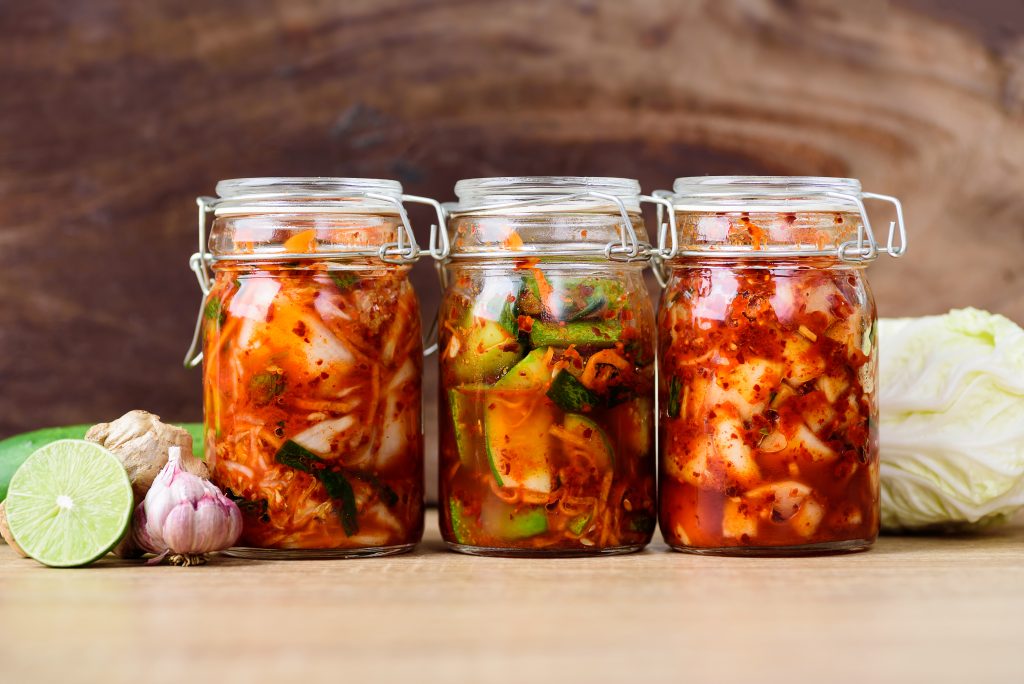
Some foods can contain more histamine than others. Fermented foods, aged foods, leftovers and fish can be common culprits. These foods contain moderate to high levels of histamine and may exacerbate symptoms. (see list below)
I have read about histamine liberating foods – what are they?
This is a misleading term that implies that certain foods can trigger histamine release, even when only low amounts of histamine are present in the food. For example, some foods contain certain biogenic amines, such as putrescine which might compete with histamine for breakdown by DAO, although this effect appears to be modest and its clinical relevance in humans is uncertain.
More plausible is perhaps that some of these foods contain low to moderate amounts of histamine which can build-up histamine from storage or when the food becomes damaged e.g. spinach and tomatoes.
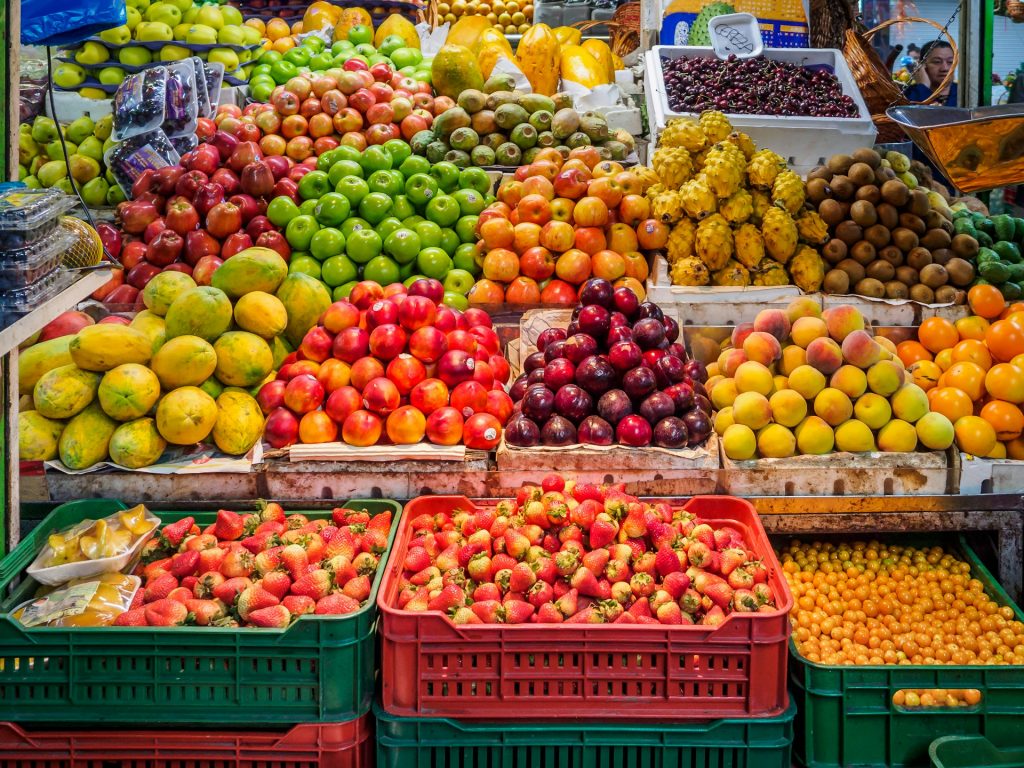
Examples of such other foods that reportedly may trigger symptoms include egg white, avocado, tomatoes, spinach, aubergine, Brussels sprouts, pulses, strawberries, chocolate, citrus fruits, kiwi, mango, cocoa, bananas, pineapple, papaya. Please remember, these are potential triggers only in some people and are not classed as universal triggers. I have listed them simply to give you a fuller picture.
Another potential issue is that some of these foods, such as egg white, contain proteins to which people may be IgE mediated. This could initiate an allergic reaction involving histamine. Although not a cause of histamine intolerance, food allergy could potentially amplify the effects of histamine intolerance making symptoms more noticeable.
Nutrients and Histamine Intolerance
DAO is a copper dependent enzyme and could be affected by low levels. In reality, a true copper deficiency is quite rare so this is unlikely to be a probably cause.
Vitamin C appears to support histamine degradation and has been shown in some human and animal studies to lower circulating histamine levels.
B-vitamins are required for the correct functioning of HNMT, including B2, B6, folate and vitamin B12.
Can some foods block DAO activity?
Drinks: Black and green tea have been labelled as foods that might block the activity or production of diamine oxidase (DAO), the enzyme responsible for breaking down dietary histamine. However, black and green tea are not proven to significantly block DAO in humans. Individual sensitivity can vary, particularly in those who are already sensitive. Experimental studies have indicated that alcohol may reduce DAO activity, as well as increase total histamine levels.
Do food additives trigger histamine release?
Evidence is limited in this area and there is currently no strong, consistent evidence linking additives to histamine intolerance or impaired histamine breakdown. However certain food additives, particularly benzoates and some artificial colourings, have been shown in some clinical studies to trigger histamine related symptoms in a small subset of individuals, especially in chronic urticaria. However, the evidence is inconsistent, and these reactions are not common in the general population.
How good gut health can help, and what is needed to support it
Good gut health plays a central role in histamine tolerance because the gut is where most dietary histamine is either broken down or absorbed. When digestion is functioning well and the gut lining is healthy, histamine from food is more likely to be neutralised before it enters the bloodstream. This reduces the overall histamine load on the body and lowers the risk of symptoms.
Supporting gut health is often a key part of nutritional management. Maintaining the integrity of the intestinal lining and supporting balanced gut bacteria may help improve histamine tolerance over time. The long-term aim is not unnecessary restriction but improved resilience, broader food tolerance and better regulation of histamine metabolism.
Eat more fibre
Only 4% of people in the UK are eating enough fibre. Fibre is found in fruits, vegetables, legumes, nuts and seeds, wholegrains and even dark chocolate! Fibre nourishes the gut microbiome which helps to keep it in balance. The gut microbes make beneficial compounds called short chain fatty acids that help to keep the gut wall healthy and help to reduce inflammation. Gut inflammation can weaken the gut barrier, which may allow more histamine to enter the bloodstream. A healthy gut lining is better equipped to make sufficient DAO to break down histamine in the gut.
Eating more fibre leads to a more robust and healthy microbiome. This is important because some bacteria are helpful and use enzymes like histamine oxidase (similar to DAO) to break down some of the histamine for us. Other bacteria contain enzymes, e.g. histidine decarboxylase which turn histidine in our food into histamine, increasing histamine in the gut.
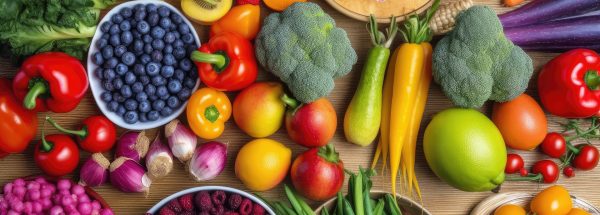
Eat a wide variety of plants. Eating 30 different plants a week is important for the overall diversity of bacterial strains. Your microbes are fussy eaters and feast on different foods. Eating a wide range of different plant foods (different wholegrains, different types of beans, peas and lentils, different nuts and seeds, different vegetables and fruits, and a variety of herbs and spices) help us reach this number easily. Remember that red lentils, green lentils and black lentils all count as different plant points, as do a red or a green pepper
Other nutritional and lifestyle advice
A helpful way to approach this is to focus on simple, fresh foods that are generally well tolerated and to build meals around these, rather than trying to recreate a “normal” diet straight away.
Use fresh foods
Freshness of food is particularly important because histamine levels increase as foods age or are stored for long periods. Eating freshly prepared meals and freezing leftovers promptly can help reduce histamine exposure.
Take the stress out!
Addressing stress in your lifestyle may have a knock-on effect on histamine levels. Getting sufficient sleep and reducing daytime stress can be helpful as part of the solution.
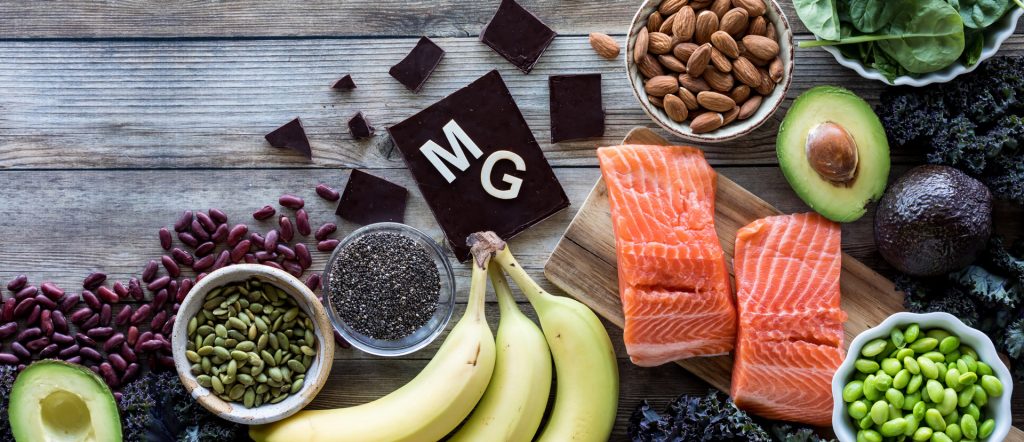
Up your nutrients. Eating foods rich in vitamins and minerals supports our health. The 2 key enzymes in the body rely on vitamin B6, copper, magnesium (DAO) and also B vitamins such as B2, B6, folate and B12 are vital for the HNMT enzyme.
If you follow a vegetarian or vegan diet, then it is important to supplement with B12. Increasing nutrient-rich foods at mealtimes and reducing low quality snacks can be a quick win for our health. Add lentils and beans to your salads with extra wholegrains such as quinoa, barley, buckwheat, freekeh or bulgur wheat and a sprinkling of seeds to maximise nutrients alongside a good protein source.
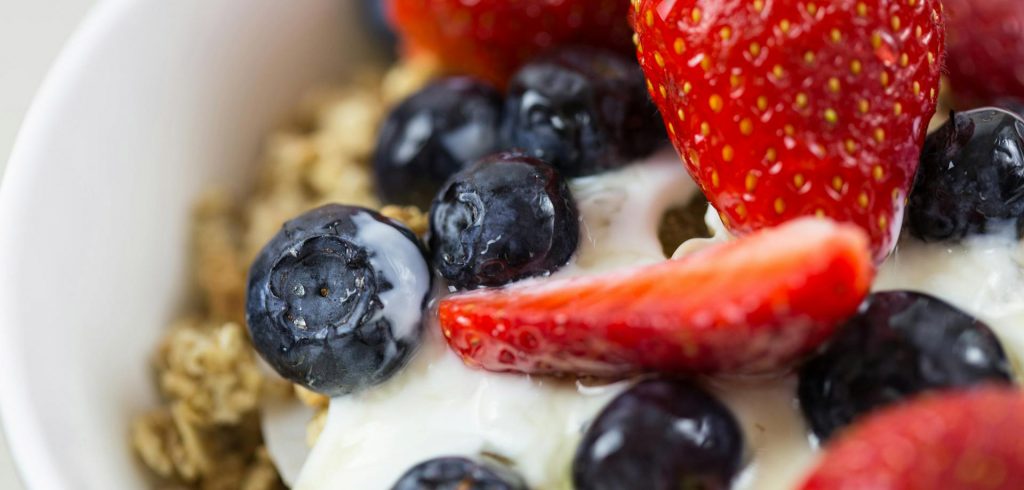
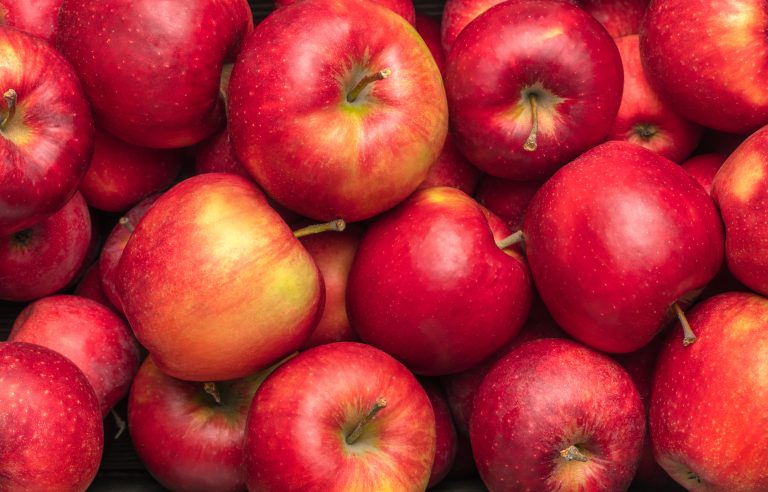
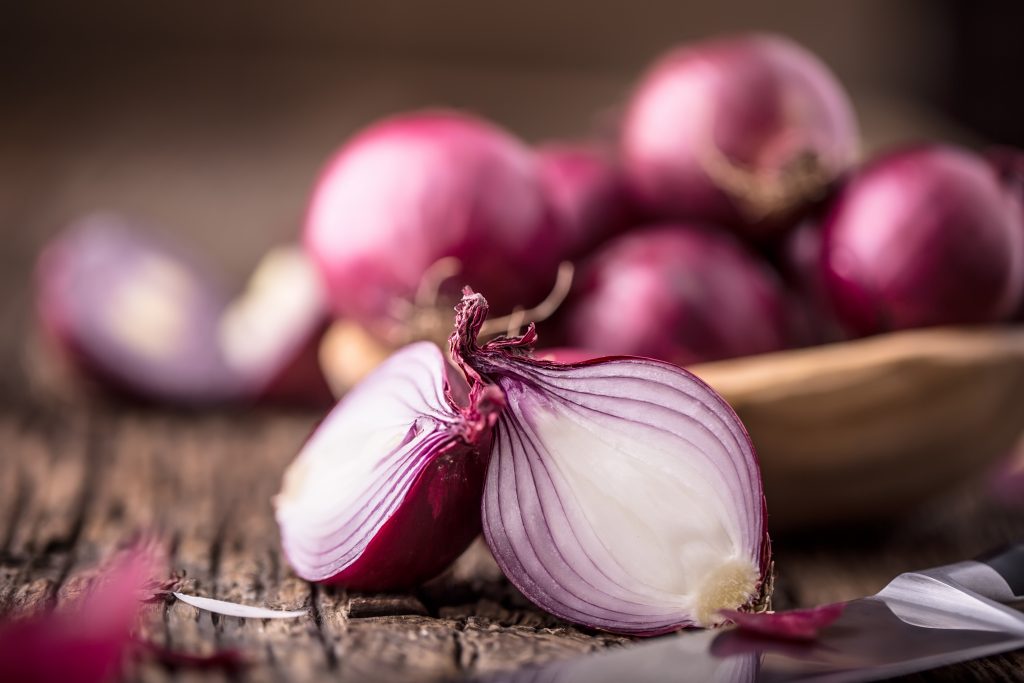
Fruit and veggies. It may help slightly to avoid bruised or overripe fruits. Berries are rich in polyphenols and are usually frozen at source making them lower in histamine. Freezing also slows the enzymes that can contribute to higher histamine levels in foods. Apples can be a helpful fruit as they contain quercetin close to the peel, so eating them unpeeled can be helpful. Red onions also contain higher levels of quercetin, a compound associated with mast cell stabilisation. The outer layers of the onion contain the highest amounts.
Can supplements help?
I always recommend a food first approach, but in some cases supplements can play a supportive role. The following are the most promising in my opinion and work on understood mechanisms:
DAO enzymes
Taken alongside meals, these can help support the breakdown of histamine in the gut. They may be particularly helpful where low DAO activity is contributing to symptoms, although responses can vary. While this is the most targeted supplement available, it is not effective for everyone.
Quercetin
Quercetin is a plant compound found in foods such as onions, apples and berries. It has been shown in laboratory studies to help stabilise mast cells and reduce histamine release.
However, evidence in humans is limited, and it is not well absorbed, which may affect how well it works in practice. Some people do find it helpful, but it is best seen as a supportive option rather than a primary solution.
Vitamin C
Vitamin C may be supportive enhancing histamine breakdown at levels of around 1-2g per day, but still lacks large-scale human trials.
B complex vitamins support methylation and HNMT enzyme activity. This makes clinical sense if the HNMT enzyme activity is reduced. A good quality B complex supplement is generally low risk and may be worth trialling.
Specific, targeted probiotics e.g. Seeking Health, ProBiota HistaminX (I have no affiliation with this company). Supplements like these contain only bacteria strains that are believed to help degrade histamine in the gut and are more targeted than a general probiotic.
Disclaimer:
Features published by Dominique Ludwig are not intended to treat, diagnose, cure or prevent any disease. Always seek the advice of your GP or another qualified healthcare provider for any questions you have regarding a medical condition, and before undertaking any diet, exercise or other health-related programme. Please refer to our Terms and Conditions and Medical Disclaimer for more information as well as our Website Terms and Conditions.
Written by Dominique Ludwig
 Get your copy now!
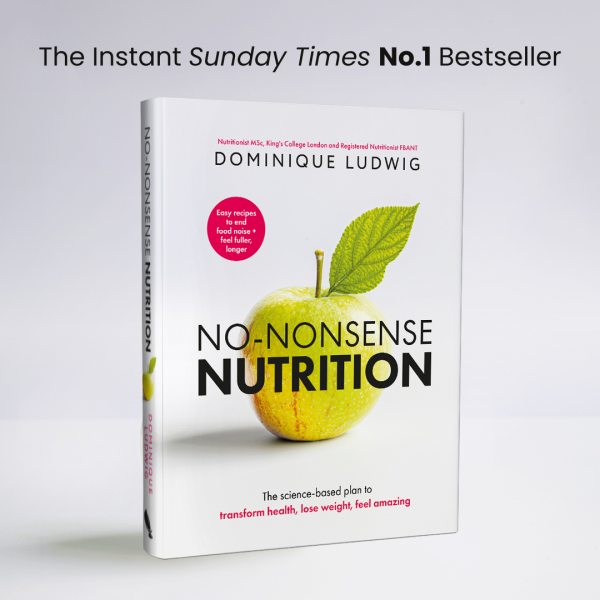
If you want to learn more No-Nonsense Nutrition tips, balanced recipes and simple habits for real life, then please take a look at my NEW book No-Nonsense Nutrition.
No-Nonsense Nutrition is a culmination of the latest science and my last 20 years of clinical practice, dovetailed into one powerful book created to get you into the kitchen.
With six intuitive principles to help you create a perfectly balanced plate, in the right proportions, everyday…with no fuss or calculations.
All meals are created with balance in mind, which means you can choose from any breakfast, lunch or dinner knowing that it’s been balanced for you and you will be nourished for the whole day.
I also created the book to help you:
✔️ SIMPLIFY the science to make eating well easy
✔️ Create recipes with the magic duo – PROTEIN and FIBRE
✔️ Reduce inflammation and promote a healthy gut microbiome
✔️Boost your body’s natural GLP-1, the hormone that signals fullness, making weight loss easier
✔️ Feel full for longer, reduce food noise and eliminate food cravings for good
✔️ Increase your energy and sleep better, improving your health noticeably in less than two weeks
Every recipe follows my Triple 30 Principes
🎯30g protein per meal. 🎯30g fibre per day 🎯30+ plants a week
References
Cimolai, N. (2020) Comparing histamine intolerance and non-clonal mast cell activation syndrome. Intestinal Research, 18(1), 134–135.
Comas-Baste, O., Sanchez-Perez, S., Veciana-Nogues, M.T., Latorre-Moratalla, M.L. and Vidal-Carou, M.C. (2020) Histamine intolerance: the current state of the art. Nutrients, 12(5), 1396. https://doi.org/10.3390/nu12051396
Duelo, A., et al. (2024) Histamine intolerance and DAO deficiency: study protocol. Nutrients, 17.
Galli, S.J., Tsai, M. and Piliponsky, A.M. (2008) The development of allergic inflammation. Nature, 454, 445–454. https://doi.org/10.1038/nature07204
Hagel, A.F., Layritz, C.M., Hagel, W.H., Hagel, H.J., Dauth, W., Kressel, J., Regnet, T., Rosenberg, A., Neurath, M.F. and Raithel, M. (2013) Intravenous infusion of ascorbic acid decreases serum histamine levels in patients with allergic and non allergic diseases. Inflammation Research, 62, 839–842. https://doi.org/10.1007/s00011-013-0630-5
Hrubisko, M., Danis, R., Huorka, M. and Wawruch, M. (2021) Histamine intolerance: the more we know the less we know. Nutrients, 13(7), 2228. https://doi.org/10.3390/nu13072228
Jackson, K., et al. (2025) Evidence for dietary management of histamine intolerance. Nutrients.
Jochum, C., et al. (2024) Histamine intolerance: symptoms, diagnosis, and beyond. Nutrients, 16.
Johnston, C.S., Martin, L.J. and Cai, X. (1992) Antihistamine effect of supplemental ascorbic acid. Journal of the American College of Nutrition, 11(2), 172–176.
Kettner, L., Seitl, I., Fischer, L. and Valent, P. (2022) Toward oral supplementation of diamine oxidase for the treatment of histamine intolerance. Nutrients, 14(13), 2621. https://doi.org/10.3390/nu14132621
Kufner, M., Schwelberger, H.G., Weidenhiller, M. and Hahn, E.G. (2004) Both catabolic pathways of histamine via histamine N-methyltransferase and diamine oxidase are diminished in the colonic mucosa of patients with food allergy. Inflammation Research, 53(Suppl 1), S31.
Krystel-Whittemore, M., Dileepan, K.N. and Wood, J.G. (2016) Mast cell: a multi-functional master cell. Frontiers in Immunology, 6, 620. https://doi.org/10.3389/fimmu.2015.00620
Lackner, S., Malfertheiner, P., Mangge, H., Holasek, S.J. and Schnedl, W.J. (2019) Histamine-reduced diet and increase of serum diamine oxidase correlating to diet compliance in histamine intolerance. European Journal of Clinical Nutrition, 73, 102–104.
Maintz, L. and Novak, N. (2007) Histamine and histamine intolerance. American Journal of Clinical Nutrition, 85(5), 1185–1196. https://doi.org/10.1093/ajcn/85.5.1185
Schnedl, W.J., Schenk, M., Lackner, S., Enko, D., Mangge, H. and Forster, F. (2019) Evaluation of symptoms and symptom combinations in histamine intolerance. Intestinal Research, 17(3), 427–433.
Smolinska, S., et al. (2022) Histamine: a mediator of intestinal disorders. International Journal of Molecular Sciences, 23.
Tan, Z., Shi, Y., Xing, B., Hou, Y., Wang, Y. and Zhang, Z. (2022) Advances in the clinical application of histamine and diamine oxidase activity: a review. Catalysts, 13(1), 48. https://doi.org/10.3390/catal13010048
Maintz, L. and Novak, N. (2007) Histamine and histamine intolerance. American Journal of Clinical Nutrition, 85(5), 1185–1196. https://doi.org/10.1093/ajcn/85.5.1185
Schnedl, W.J., Schenk, M., Lackner, S., Enko, D., Mangge, H. and Forster, F. (2019) Evaluation of symptoms and symptom combinations in histamine intolerance. Intestinal Research, 17(3), 427–433.
Smolinska, S., et al. (2022) Histamine: a mediator of intestinal disorders. International Journal of Molecular Sciences, 23.
Tan, Z., Shi, Y., Xing, B., Hou, Y., Wang, Y. and Zhang, Z. (2022) Advances in the clinical application of histamine and diamine oxidase activity: a review. Catalysts, 13(1), 48. https://doi.org/10.3390/catal13010048