



Do carbs make me fat?
Insights from Dominique / September 8, 2022
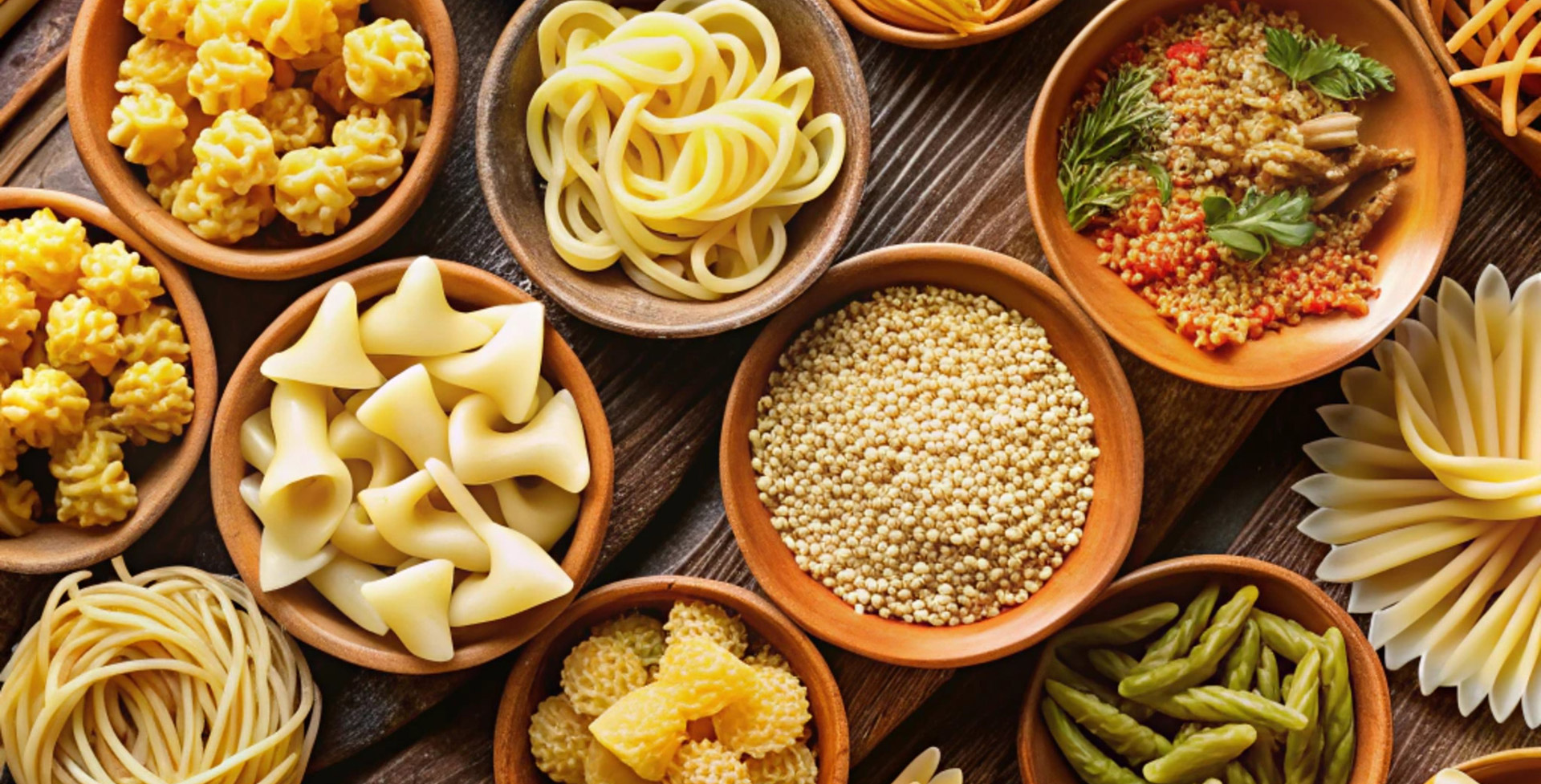
Carbs from Wheat and Flour v Whole Food Carbs
- We process flour differently to other grains.
- This means it’s not as good for us to get our carbs from refined flour sources (bread, pizza base, crackers, extruded breakfast cereals, pastries) as wholefood carbs.
- Let’s talk wheat flour products quickly. Foods made from flour are processed differently in our body to wholefood carbs, such as quinoa or sweet potato or even the wheatberries.
- Why? Because when we grind the wheatberries into flour, we remove the wheatgerm, which contains the fats, and the husk, containing the fibre before grinding the remaining endosperm (starch) containing carbohydrates into a superfine flour. Because these particles are so small, they are digested faster in the digestive tract. The glucose in these tiny particles therefore passes more easily into our bloodstream.
- So, couscous is actually not a healthier choice. It is made from refined, steamed semolina, like tiny grains of pasta! Anything that is quick-cook will have a higher glycaemic effect on our blood sugars. This also applies to quick cook oats or rice too.
- Therefore it’s better to choose quinoa or bulgur wheat over couscous if you have the choice.
- The glycaemic index of couscous is 60, quinoa 52, black rice 42 and bulgar 46. This means that we can’t say that carbohydrates are all bad, because it depends on the state we eat them, rather than the amount. Therefore, there is a difference.
- Quinoa is a whole seed and comes with the fibre, the fats and the protein still intact. We need our enzymes to break starches down into smaller units to absorb the glucose. That said, quinoa will still raise your blood sugars, but at a slower rate to say, a cream cracker.
Whole food carbs, such as sweet potato, boiled potato, cracked bulgur wheat or cracked grain pumpernickel bread will all be better choices for us because they are eaten in a more natural form.
Tip: try to eat most of your carbs as they appear in nature with minimal processing.
Disclaimer
Features published by Dominique Ludwig are not intended to treat, diagnose, cure or prevent any disease. Always seek the advice of your GP or another qualified healthcare provider for any questions you have regarding a medical condition, and before undertaking any diet, exercise or other health-related programme. Please refer to our Terms and Conditions and Medical Disclaimer for more information as well as our Website Terms and Conditions.
Other blog posts you might enjoy
Supporting your health and wellbeing during your period
Week one of the menstrual cycle is when the bleed occurs. This can leave us feeling tired but is also...
Read more >
What is Cholesterol?
Cholesterol is a type of fat or lipid. This waxy substance is made by our liver but is also found...
Read more >
Oxalates – Separating Fact from Fiction
Oxalates have gained attention in recent years, often for the wrong reasons. They are sometimes portrayed as ‘anti-nutrients’, yet many...
Read more >