The Truth About Snacking
Introduction
If you struggle with food noise and feel constantly hungry between meals, you are not alone. Eating between meals has become normalised, and while snacking itself is not bad for us, if done wrong, it can quietly contribute to weight gain and a higher intake of ultra processed foods.
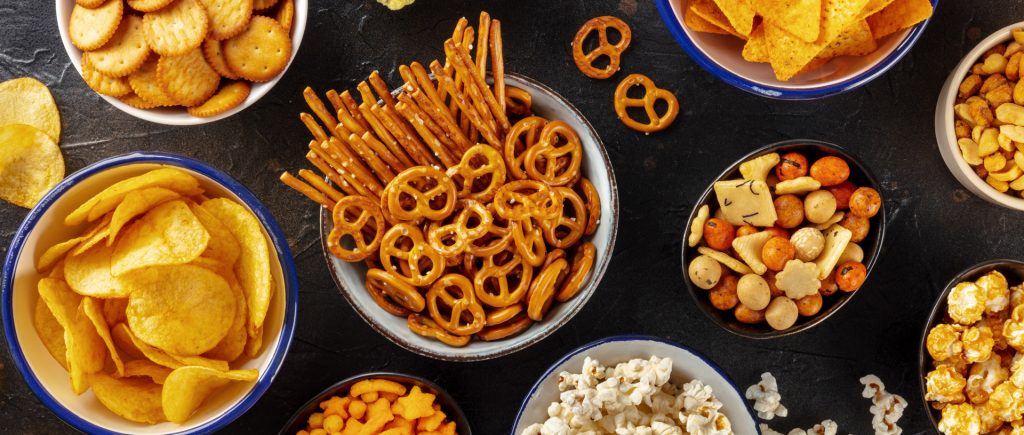
Not all snacks are equal, but research consistently shows that food eaten between meals tends to be lower in nutritional value than a balanced main meal. Snack foods are often ultra processed, energy dense and easy to consume quickly, which makes it easy to underestimate total intake across the day. As a result, they may fail to trigger satiety signals and can even increase hunger, driving a cycle of grazing rather than true nourishment.
Does snacking make us gain weight?
Not necessarily. Even if someone were to snack throughout the day, they would still lose weight if they remained in a calorie deficit. The challenge is that snacking can easily become self perpetuating, meaning we often end up eating more calories than we intended.
Research from King’s College London as part of the ZOE PREDICT study found that, on average, around 500 calories per day were consumed as snacks. On its own, this may not be a problem. However, the study also showed that close to 75 percent of these snack foods were classed as less healthy or less beneficial choices.
After supporting over 4,500 people with their nutrition, I have seen a clear pattern emerge. The people who find weight loss or long term weight management easier, and who also report better overall wellbeing, tend to focus on nourishing meals rather than relying on frequent snacking. This is one of the main reasons I wrote my book No-Nonsense Nutrition!
Food is far more than just energy. It provides macronutrients such as protein, carbohydrates including fibre, and fats. But it is the micronutrients, vitamins and minerals, that are essential for how we function and how we feel day to day.
Micronutrients are needed in very small amounts, but they act like tiny keys, unlocking thousands of chemical reactions in the body. These reactions support immunity, brain health, liver detoxification and digestion. Eating sufficient micronutrients allows the body to function optimally between meals.
For this reason, I prefer to add more nutrient dense foods to meals, foods rich in vitamins and minerals, rather than cutting back at mealtimes and filling the gap with snacks that are often low in fibre, low in protein, high in additives and fillers, and relatively poor in micronutrients.

How might less snacking affect my weight?
If you are struggling to lose or maintain weight, reducing snacking can be a useful strategy, but only when meals are properly balanced with enough protein, fibre, healthy fats and essential micronutrients.
When people try to lose weight, they often cut calories at their main meals. The body rarely ignores this. It detects the drop in energy and nutrients and responds by increasing hunger signals to restore balance. At that point, weight loss is no longer just about a calorie deficit. It becomes a constant battle between physiology and willpower, and that is a battle most people cannot sustain.
In short, skipping snacks while under-eating at meals often backfires, leading to stronger cravings later in the day.
The goal is not restriction, but ensuring the body is properly nourished at mealtimes. When meals provide enough nourishment, we see greater satiety, steadier energy, a more regulated appetite and fewer cravings. While this can feel counter intuitive at first, I have seen this consistently in clinic. Thousands of my clients find that weight loss and long term weight maintenance become far easier when this approach is followed.
How might less snacking affect my health?
There are many benefits that I see in clinic when my clients improve the quality of their diet, eat more nutritious meals, and enjoy by far fewer snacks.
- Feeling fuller for longer – less ‘Food Noise’
- Improved energy between meals
- More stable blood sugars
- Better focus and concentration
- Less mood swings – more resilience
- Better digestion – less bloating
- Less cravings – especially for sugar
- Reduced inflammation
- Better and more restful sleep
This might helps explain why frequent snacking can quietly undermine appetite regulation and energy balance, even when weight loss is the goal. But there is a smarter way of eating.
What makes us hungry between meals?
Feeling hungry between meals is usually driven by two main factors.
Firstly: Either inufficient calories were eaten at our last meal, meaning that the body is running on empty. This can be TRUE hunger and needs to be addressed. But, this can also be down to eating the wrong types of food at a meal, and even though calorie needs were met the meal failed to switch on our short and long-term satiety signalling. (see below).
Secondly: Blood sugar imbalances. While our blood glucose is designed to rise and fall gently throughout the day, having a series of blood glucose spikes can disrupt our natural hunger cues, making us feel hungrier and craving sugar (more below).
Let’s go into a bit more detail:
Insufficient calories at meals/ wrong types of food consumed
This is something I see very often in clinic. Many people regularly under eat at meals, then later berate themselves when intense hunger takes over. This often brings feelings of guilt, but in reality this is not a willpower issue. It is simply a sign that the meal was not balanced with the right mix of macro and micronutrients.
Let me explain. Current nutrition guidance suggests aiming for around 25 to 35g of protein per meal and around 30g fibre across the day. That works out at roughly 10g fibre per meal. To meet these targets, we have to eat a sufficient volume of food.
An often quoted figure is that the average woman needs around 2000 kcals per day. In practice, this number can vary hugely depending on muscle mass, height, age and daily energy expenditure. There is really no true average, and requirements can change from day to day.
What we do know is that most people feel best when they eat around 400 to 500 kcals at breakfast and around 400 to 600 kcals at their two main meals. This approach still leaves flexibility for fruit, a milky coffee or even a small after dinner treat, without triggering excessive hunger between meals.
Yes so often we are starting the day with a bowl of cereal (around 250kcals) and then snacking mid-morning (latte and a biscuit) which is likely to take our kcals up to around 650. Sometimes it is our perception of how much we should be eating out of balance with what our body actually needs. It’s where the maths doesn’t match up.
Sometimes we might be consuming sufficient calories at a meal, but if the meal is also low in FIBRE and PROTEIN it will fail to switch on satiety signallying correctly in the stomach, small intestine and even large intestine. This is why the effects of a Meal Deal sandwich, snack and drink often don’f fill us up longer term.
We need our food to break down slowly in stomach, be absorbed slower in the small intestine and give us a steadier stream of energy from one meal to the next. Quick bursts of energy from fast digesting food fail to fill us up longer term.
My Triple 30 Principles - how to create a balanced plate
- 30g protein per meal (or thereabouts)
- 30g fibre per day (or more)
- 30+ different plants a week
To reduce snacking, keep these in mind when planning your main meals
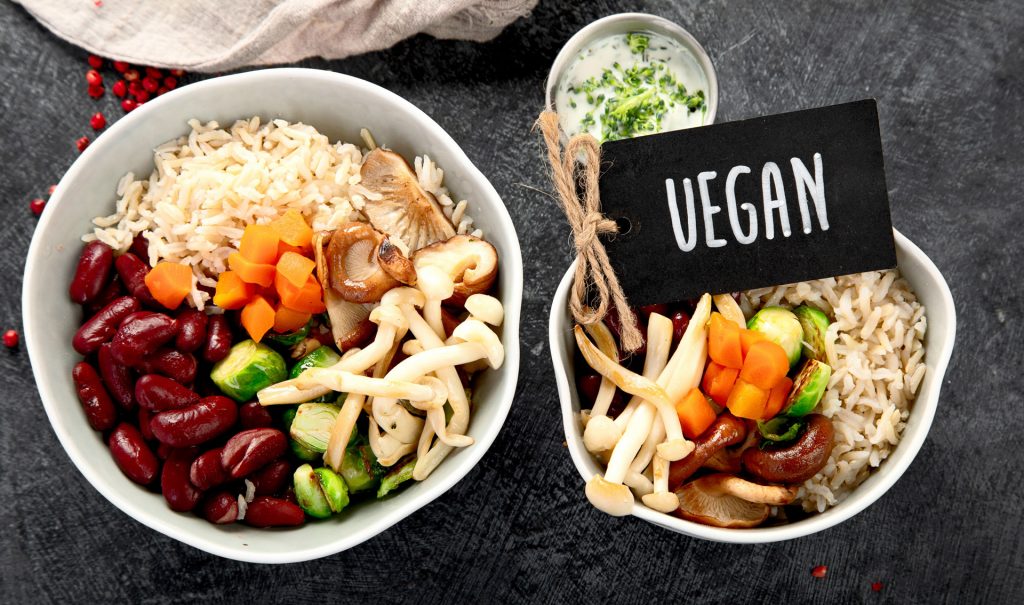
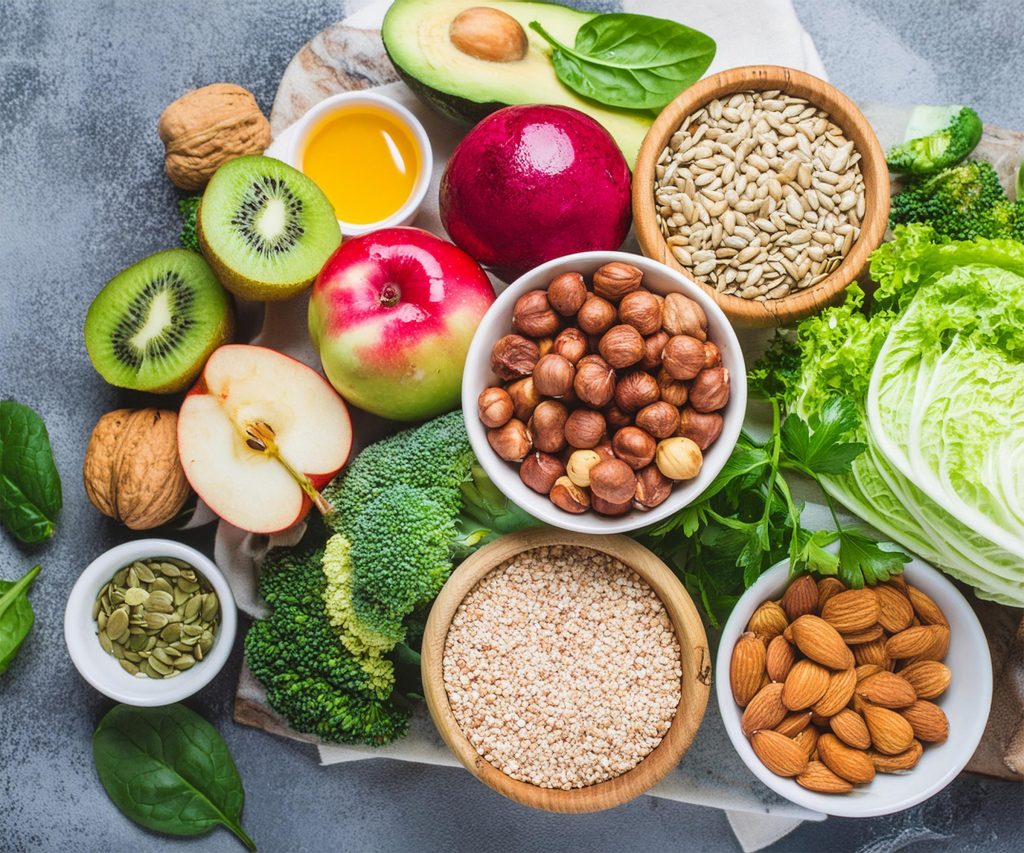
Aim to fill around a 1/4 of your plate with protein. This might include chicken, shellfish, oily or white fish, eggs, cheese, tofu, tempeh, seitan, beans or lentils, as well as nuts and seeds. Legumes can count as either a protein or a healthy carbohydrate depending on how they are used in the meal. You can also mix and match proteins, for example chickpeas with halloumi or eggs with edamame beans. This approach will usually provide around 20 to 30g protein per meal.
Fill around 1/2 of your plate with vegetables. This is roughly 200 to 250 g and can include salads, steamed vegetables, stir fried vegetables, raw vegetables or soups. Depending on the vegetables chosen, this typically provides around 5g fibre.
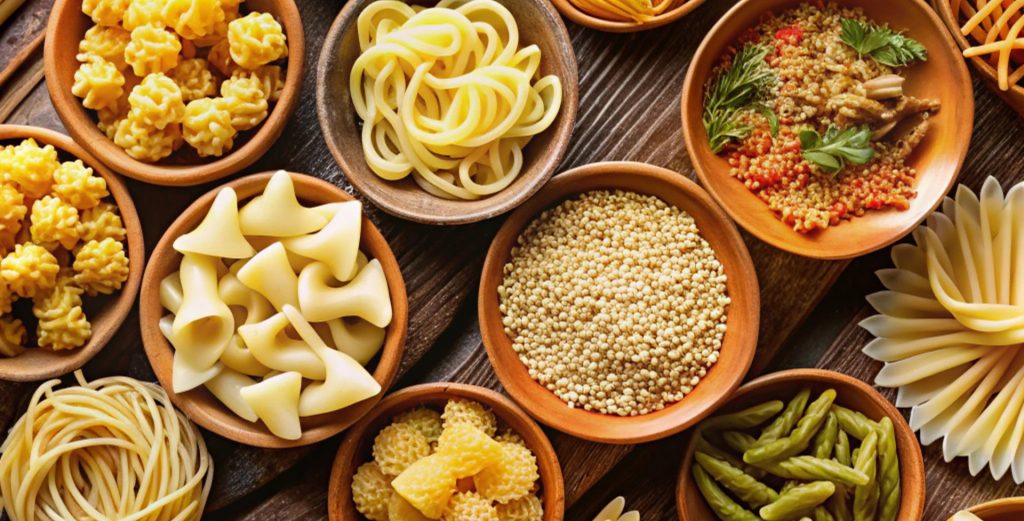
Fill the remaining 1/4 of your plate with healthy, slow release carbohydrates. These might include seeded bread or crackers, buckwheat, quinoa, freekeh, barley, spelt or bulgur wheat. Legumes such as lentils or beans can also sit here, as they are a rich source of complex carbohydrates. This portion usually provides the final 5g fibre on the plate. It is around 2-3 tablespoons.
Use healthy fats such as extra virgin olive oil, cold pressed rapeseed oil for cooking or in dressings to support satiety and nutrient absorption. Or use aromatic oils such as flaxseed oil, hemp oil, sesame or walnut oil for dressings.
When we eat this way, meals are both nourishing and bulky. They provide moderate energy, not too little and not too much, and work with our natural hunger and satiety signals rather than against them.
Blood sugar Control
If blood sugars are allowed to become unstable, this can be another common driver of hunger. If a meal is unbalanced, for example too heavily weighted towards carbohydrates such as cereal or toast at breakfast, or a bread based lunch, we are more likely to experience the blood sugar rollercoaster. In this situation, blood glucose rises quickly after eating and can be followed by a rapid drop.
A fast fall in blood glucose triggers a series of feedback signals in the body that may increase appetite, often accompanied with strong cravings for sweet foods to prevent levels falling too low. This creates the urge to snack, and the cycle repeats. This type of hunger is not a true energy need, but a response to unsettled blood sugar. Over time, it can lead to consuming more calories than the body requires and can drive overeating.
When blood sugars are more stable, blood glucose falls more gradually. This allows the body to draw calmly on its energy reserves, such as glycogen stored in the liver and muscles, or fat from fat stores, to cover any shortfall. This process usually happens quietly, without triggering strong hunger signals or alerting the brain that more food is needed.
The challenge with the blood sugar rollercoaster is that it affects more than appetite alone. Energy, mood and focus are pulled onto the ride as well, leaving us feeling tired, hungry and flat.
Eating a more balanced plate helps to stabilise blood sugar, regulate appetite and reduce the drive to snack.
Have you ever wondered how satiety REALLY works in the gut?
How full we feel is closely linked to the types of food we eat, and there are three key areas of the gut involved in appetite and fullness. If you want to reduce cravings and feel more in tune with your appetite, this is important to understand.
The first area involved in appetite regulation is the stomach. Whole foods are naturally bulkier and require more digestion. As food enters the stomach, stretch receptors in the stomach wall respond to this volume and send signals to the brain to reduce the urge to eat. Fibre and fats also slow the rate at which food leaves the stomach, prolonging this stretch and strengthening feelings of satiety.
Next is the small intestine. In the upper small intestine, we have nutrient sensing receptors that respond to protein, fats and carbohydrates. These signals trigger the release of hormones such as cholecystokinin, or CCK, which plays a key role in early satiety. Messages are sent to the brain via the vagus nerve, which mainly carries information from the gut to the brain and helps regulate appetite in real time.
The final stage involves the lower small intestine and the colon. This is where satiety is reinforced. Specialised gut cells called L cells release appetite regulating hormones including GLP 1 and PYY. These hormones do not create immediate fullness, but they deepen and extend satiety over time. L cells are activated by nutrients that reach the lower gut, particularly fibre, fatty acids and amino acid fragments.
In real life, this means that foods such as breakfast cereals, soft drinks, biscuits, sweet treats and crisps tend to be lower in volume and lower in protein and fibre. Because they are less bulky, they cause less stomach distension. They also break down quickly in the small intestine, meaning fewer nutrients reach the lower gut where L cell signalling is strongest.
As a result, our satiety systems are activated less effectively. This helps explain why highly processed diets can provide plenty of calories but fail to produce lasting fullness.
When we eat a diet rich in whole, natural foods, appetite becomes easier to interpret, energy feels more stable and cravings often reduce naturally. In clinic, I consistently see that eating this way supports a calmer relationship with food, with less anxiety around eating and greater confidence in food choices.
Food timing matters – mind the gaps
Time restricted eating involves consuming all meals within a defined daily eating window, usually around 8 to 12 hours. The remaining hours are spent fasting, which gives the body time to rest, repair and digest.
In practice, I often recommend a 10 to 12 hour eating window alongside a 12 to 14 hour overnight fast, as this pattern tends to work well with the body’s natural biological rhythms.
That said, I like to take this one step further by placing greater emphasis on well balanced meals, less emphasis on snacking, and allowing around 4 to 5 hours between meals to support appetite regulation and metabolic health.
We know that leaving gaps overnight are important to allow the body to carry out basic housekeeping, such as repair and regeneration and to allow the body time away from digesting food.
Benefits are thought to include:
- Leaving a gap overnight has been shown to support our gut microbiome, allowing for improved microbial distribution and diversity and also allowing the surface area of the gut, which is just ONE cell thick time to repair following the heavy traffic of food from the daytime.
- Late night eating can also disrupt sleep and sleep patterns, so leaving a gap of at least 3 hours before we go to bed is always good practice to allow the food to have left the stomach and to have reached the small intestine.
- Eating your food in ‘windows’ not only helps us to digest our food more effectively, but by reducing the amount of eating windows that we have, meaning it becomes harder to over-eat, especially if we are not sofa-snacking at night!
Research from the ZOE Predict Study, published in the European Journal of Nutrition has shown that eating after 9pm is associated with higher blood glucose levels and less favourable metabolic health markers.
For this to work a typical day might look like this: Eating breakfast between 8-9am, lunch between 1-2pm and dinner between 6-7pm.
Breakfast, snacking and blood sugar
Skipping breakfast and relying on coffee or snack foods instead has been linked in newer research (Bermingham et al., 2023) to a higher insulin and blood sugar response at lunch. Other studies suggest that eating around 20 to 30 percent of daily energy intake at breakfast is associated with lower body weight, lower triglycerides, higher HDL (protective cholesterol), lower BMI and a smaller waist circumference.
This suggests that front-loading nourishment earlier in the day may reduce the need for compensatory snacking later on.
A large systematic review and meta-analysis (Ballon et al) that looked at breakfast skippers, found that people who regularly skipped breakfast had a significantly higher risk of developing type 2 diabetes compared with regular breakfast eaters with those skipping breakfast 4 or more days a week having an increased risk of around 55%.
Can food cause inflammation?
Not, directly but it is not so much snacking itself that causes inflammation, but rather the types of foods we choose and the fact that all food triggers a small, normal inflammatory response.
When we eat, the body initiates a mild inflammatory reaction in the gut. This is entirely normal. Eating is, in biological terms, a slightly risky process. With food we inevitably introduce bacteria, fungi, viruses and a wide range of food proteins into the digestive tract. The immune system must assess what is safe, eliminate potential threats and regulate what is allowed to pass across the gut lining.
This low-level inflammation also helps coordinate digestion and nutrient absorption. We refer to this process as post prandial inflammation. It occurs after a meal and, in a healthy system, settles shortly afterwards. Between meals and overnight, inflammation should fully resolve.
Problems might arise when this process is exaggerated or constantly repeated. Frequent grazing, particularly on highly processed foods, may reduce these recovery periods. In people with poor gut health, insulin resistance or excess adiposity, this has been associated with longer lasting, low-grade inflammation (Berry et al.).
Certain foods are associated with lower inflammatory signalling in the body. These include polyphenol rich berries, fruits and vegetables, fibre rich foods, chia seeds, extra virgin olive oil, turmeric, ginger and fermented foods. In contrast, diets high in ultra processed foods, some dietary fats and, to a lesser extent, high intakes of sugars are more likely to promote pro-inflammatory responses.
It’s an area we are still learning about, but it seems that a fibre and plant rich diet, such as the Mediterranean diet might offer more protection against low-grade inflammation in the body which can be a driver in long term disease, such as joint health, cardiovascular health and even brain health and mood.
Are you a grazer?
Snacking can refer to a planned, intentional snack eaten in the morning or afternoon. This might include protein rich foods, vegetables or fruit, alongside some complex carbohydrates. When chosen well, these snacks can sit comfortably within a healthy diet and may help top up nutrients or energy when needed.
Grazing is usually less considered and more reactive. It is often driven by circumstance rather than hunger. Examples include eating biscuits simply because they are available at a meeting, buying chocolate while filling the car with fuel, nibbling on nuts or crisps while cooking supper, or snacking in the evening while watching television.
These types of eating events are more likely to disrupt blood sugar regulation and can fuel a cycle of increased appetite and further snacking, even when the body does not truly need more food.
If you do need a healthy snack – here are my favourites:
- 2 boiled eggs with some chopped vegetables
- Greek yoghurt with flaxseeds and berries
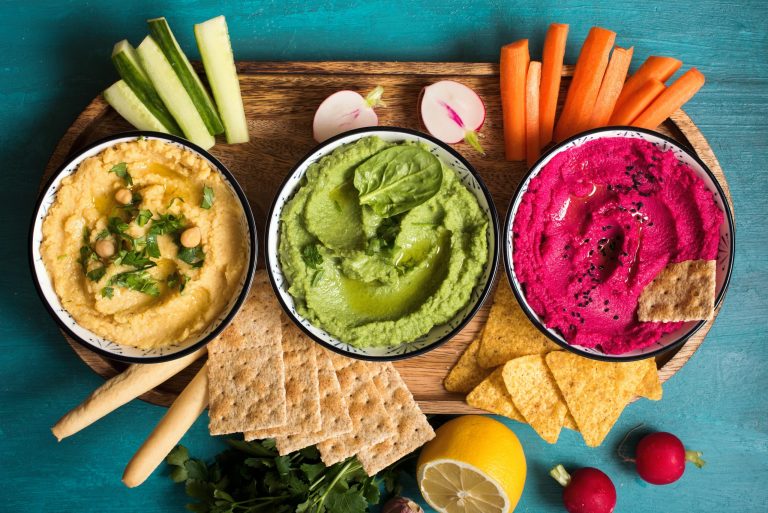
- Vegetable sticks with hummus or a bean dip
- Chia pudding with blueberries
- A chopped apple with goats cheese or walnuts
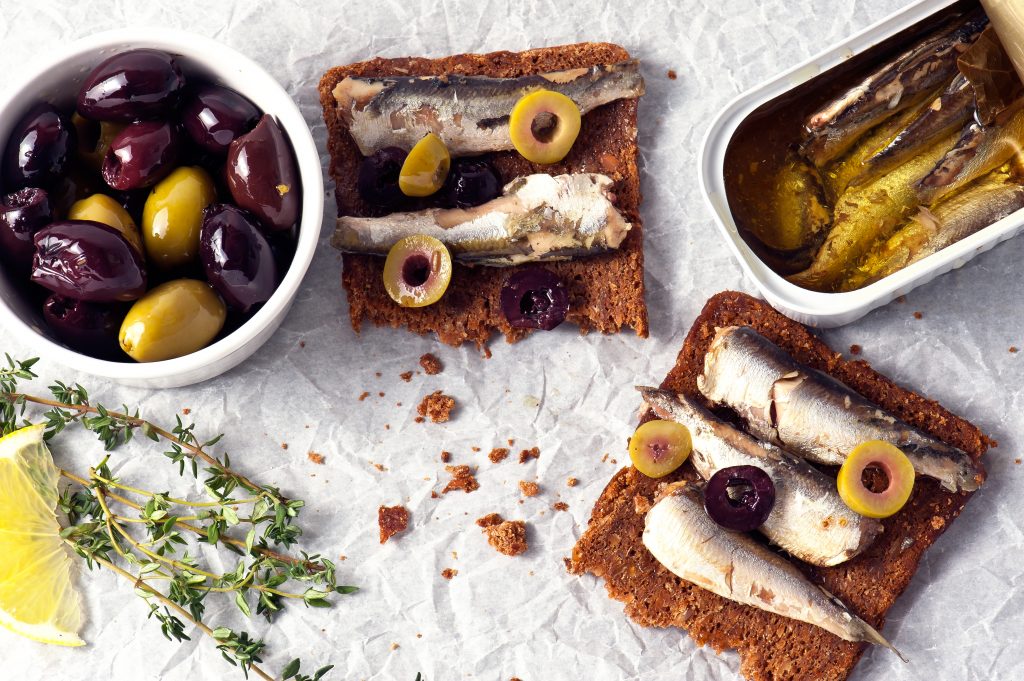
- Sardines in a slice of seeded bread
- Celery filled with almond butter
Bottom line
Snacking is not inherently bad – it depends on what you are going to snack on and how often you are going to snack. If you increase healthy food at mealtimes. You may just find that your desire to snack reduces and cravings reduce.
Although my no-nonsense approach encourages sticking to three meals a day, with sufficient gaps between them and minimal snacking, I also recognise that real life is not always that tidy. The aim is consistency rather than rigidity. Sometimes you genuinely need something to bridge the gap between meals, and sometimes you simply want something sweet, which is entirely human.
Some people do need to snack
Children and teenagers often require snacks to meet their higher energy and nutrient needs for growth and development. The same is true during pregnancy and breastfeeding, when energy and nutrient demands are increased.
Snacking is also important for people who are underweight, where it can be essential for maintaining or restoring weight, and for those with certain medical conditions that require more regular eating.
In these situations, planned, nutrient dense snacks can play a valuable role in supporting health, energy and overall wellbeing. Always take the advice of your GP or healthcare professionals before changing your diet.
Summary
When it comes to snacks and treats, it can be helpful to rethink how and when they are eaten. Rather than grazing through the afternoon, bringing snacks forward and eating them as part of a meal can work better for appetite and blood sugar control. This might mean adding seeded crackers with cheese to your lunch plate or enjoying a cup of matcha or coffee alongside a bliss ball, a date filled with homemade chocolate and hazelnut spread, or even a peanut butter cookie.
If you do eat between meals, a savoury option is usually the better choice, whereas sweeter foods tend to be better tolerated when eaten alongside a meal. This approach helps reduce the blood sugar highs and lows that can turn snacking into a necessity rather than a choice. The key is to plan ahead, include these foods intentionally, and allow your appetite to guide you.
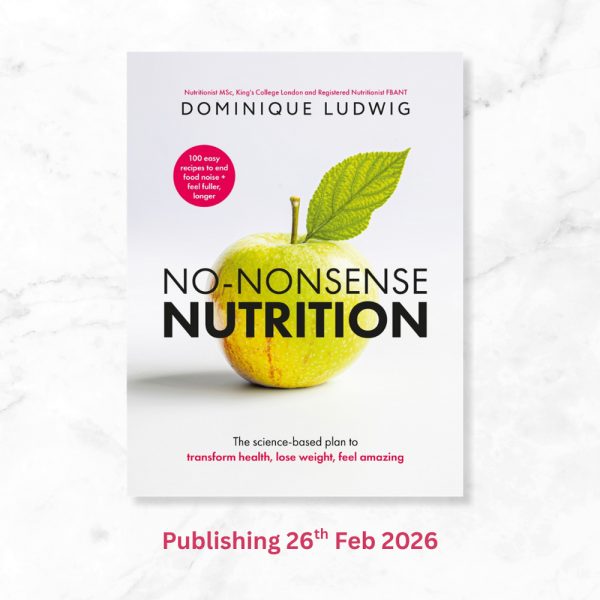
If you want to learn more No-Nonsense Nutrition tips, balanced recipes and simple habits for real life, then please take a look at my NEW book No-Nonsense Nutrition which is out on 26th February.
No-Nonsense Nutrition is a culmination of the latest science and my last 20 years of clinical practice, dovetailed into one powerful book created to get you into the kitchen.
With six intuitive principles to help you create a perfectly balanced plate, in the right proportions, everyday…with no fuss or calculations.
All meals are created with balance in mind, which means you can choose from any breakfast, lunch or dinner knowing that it’s been balanced for you and you will be nourished for the whole day.
I also created the book to help you:
✔️ SIMPLIFY the science to make eating well easy
✔️ Create recipes with the magic duo – PROTEIN and FIBRE
✔️ Reduce inflammation and promote a healthy gut microbiome
✔️Boost your body’s natural GLP-1, the hormone that signals fullness, making weight loss easier
✔️ Feel full for longer, reduce food noise and eliminate food cravings for good
✔️ Increase your energy and sleep better, improving your health noticeably in less than two weeks
Every recipe follows my Triple 30 Principes
🎯30g protein per meal. 🎯30g fibre per day 🎯30+ plants a week
Waterstones online have a 50% discount if you PRE-ORDER ONLINE with Waterstones with the discount code ‘No-Nonsense26’ This offer allows you to buy the book for just £13 instead of £26. Note this offer ends midnight 25th February 2026 when the price will increase for publication.
References:
Thomas, E.A., Higgins, J., Bessesen, D.H., McNair, B. and Cornier, M.A., 2015. Usual breakfast eating habits affect response to breakfast skipping in overweight women. Obesity, 23(4), pp.750–759. https://doi.org/10.1002/oby.21049
Pérez-Vega, K.-A., Lassale, C., Zomeño, M.-D., et al., 2024. Breakfast energy intake and dietary quality and trajectories of cardiometabolic risk factors in older adults. Journal of Nutrition, Health & Aging, 28(12), p.100406. https://doi.org/10.1016/j.sphs.2024.09.001
Bermingham, K.M. et al. (2023). The ZOE PREDICT 1 Study. Nutrients, 15(11), 2638.
Ballon, A., Neuenschwander, M. and Schlesinger, S. (2019) ‘Breakfast skipping is associated with increased risk of type 2 diabetes among adults: a systematic review and meta-analysis of prospective cohort studies’, Journal of Nutrition, 149(1), pp. 106–113. doi:10.1093/jn/nxy194.
Farshchi, H.R., Taylor, M.A. and Macdonald, I.A. (2015) Usual breakfast eating habits affect the metabolic and appetite responses to skipping breakfast in overweight women. Journal of Nutrition, 145(3), pp. 552–559.
Berry, S.E., Valdes, A.M., Drew, D.A., Asnicar, F., Mazidi, M., Wolf, J., Capdevila, J., Hadjigeorgiou, G., Davies, R., Al Khatib, H.A., Bonnett, C., Ganesh, S., Bakker, E., Hart, D., Mangino, M., Small, K.S., Bell, J.T., Spector, T.D. & Segata, N., 2020. Meal-induced inflammation: postprandial insights from the Personalised REsponses to DIetary Composition Trial (PREDICT) study in 1000 participants. The American Journal of Clinical Nutrition, 112(5), pp.1032–1042. https://doi.org/10.1093/ajcn/nqaa254
Massaro, M., Scoditti, E., Calabriso, N., Pellegrino, M., Storelli, C., Martines, G., De Caterina, R. and Carluccio, M.A., 2021. Postprandial inflammation and the benefits of extra-virgin olive oil. Nutrients, 13(8), p.2959. https://doi.org/10.3390/nu13082959
Minihane, A.M., Vinoy, S., Russell, W.R., Baka, A., Roche, H.M., Tuohy, K.M., Teeling, J.L., Blaak, E.E., Fenech, M., Vauzour, D., McArdle, H.J., Kremer, B.H., Stern, L. and Calder, P.C., 2015. Low-grade inflammation, diet composition and health: current research evidence and its translation. British Journal of Nutrition, 114(7), pp.999–1012. https://doi.org/10.1017/S0007114515002093
Disclaimer:
Features published by Dominique Ludwig are not intended to treat, diagnose, cure or prevent any disease. Always seek the advice of your GP or another qualified healthcare provider for any questions you have regarding a medical condition, and before undertaking any diet, exercise or other health-related programme. Please refer to our Terms and Conditions and Medical Disclaimer for more information as well as our Website Terms and Conditions.
Written by Dominique Ludwig